What headroom means in practice
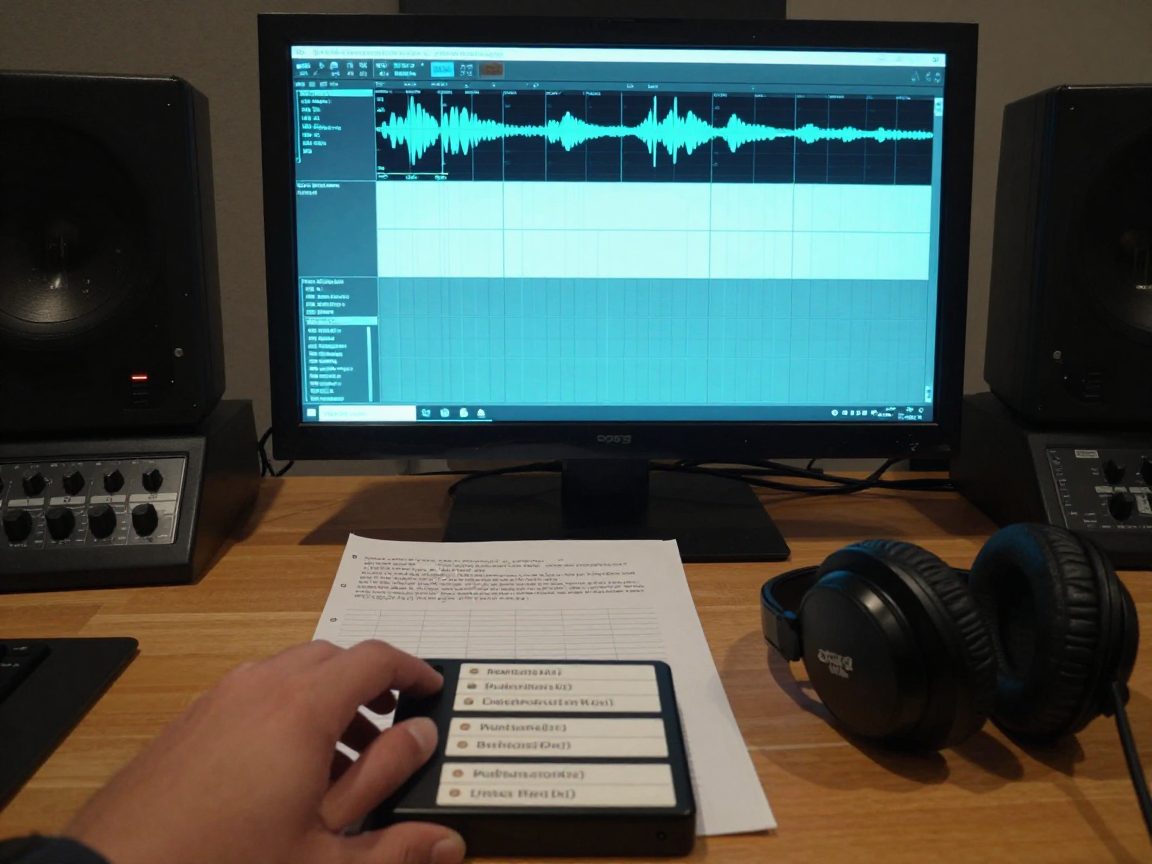
Headroom is space between typical peaks and 0 dBFS in the file. For offline mixing from €185 per track or €720 for up to five songs we want stems that are not already «mix-loud». Aim for peaks around −6 dBFS to −3 dBFS on busy tracks, with averages lower so EQ and compression have room.
If everything hits 0 dBFS, the mix engineer cannot turn down without artefacts. Too quiet is less painful: we can gain up, but home-interface noise comes along. Balance before export is welcome; heavy limiting on every stem is not.
What each stem should and should not include
- One instrument or bus per file, mono or stereo as recorded.
- No master-bus limiter on individual stems.
- Same timeline start for all files (from bar 1 or session start).
- Consistent sample rate — 48 kHz for video; 44.1 kHz for audio-only release is common.
- 24-bit WAV or 32-bit float WAV; no lossy MP3 as source.
If your DAW has parallel processing, bounce with effects that define the sound; send dry alternates only when agreed upfront via contact.
Naming, folders and versions
Use clear names: SongTitle_DrumBus.wav, SongTitle_LeadVox_dry.wav. Put tempo and key in a readme or note. For revisions use v2 in the folder name, do not silently overwrite. We store deliveries for 24 months unless terms say otherwise.
For sessions recorded in our live room or booths we can often export from our session — then phase and edits stay known. Upload external stems via agreed link; ask [email protected] about size limits.
Level guidelines by source
| Stem | Peaks (guide) | Tip |
|---|---|---|
| Drums (overheads) | −12 to −6 dBFS | Cymbal spikes should not clip |
| Bass DI | −18 to −8 dBFS | Low foundation, no limiter |
| Lead vocal | −12 to −6 dBFS | Consistent mic distance |
| Synths/keys | −15 to −6 dBFS | Remove DC offset before export |
These are starting points, not law. What matters is no stem lives permanently in the red. If unsure, send a short reference mp3 only to align level — not as a stem replacement.
In-studio mix versus fully offline
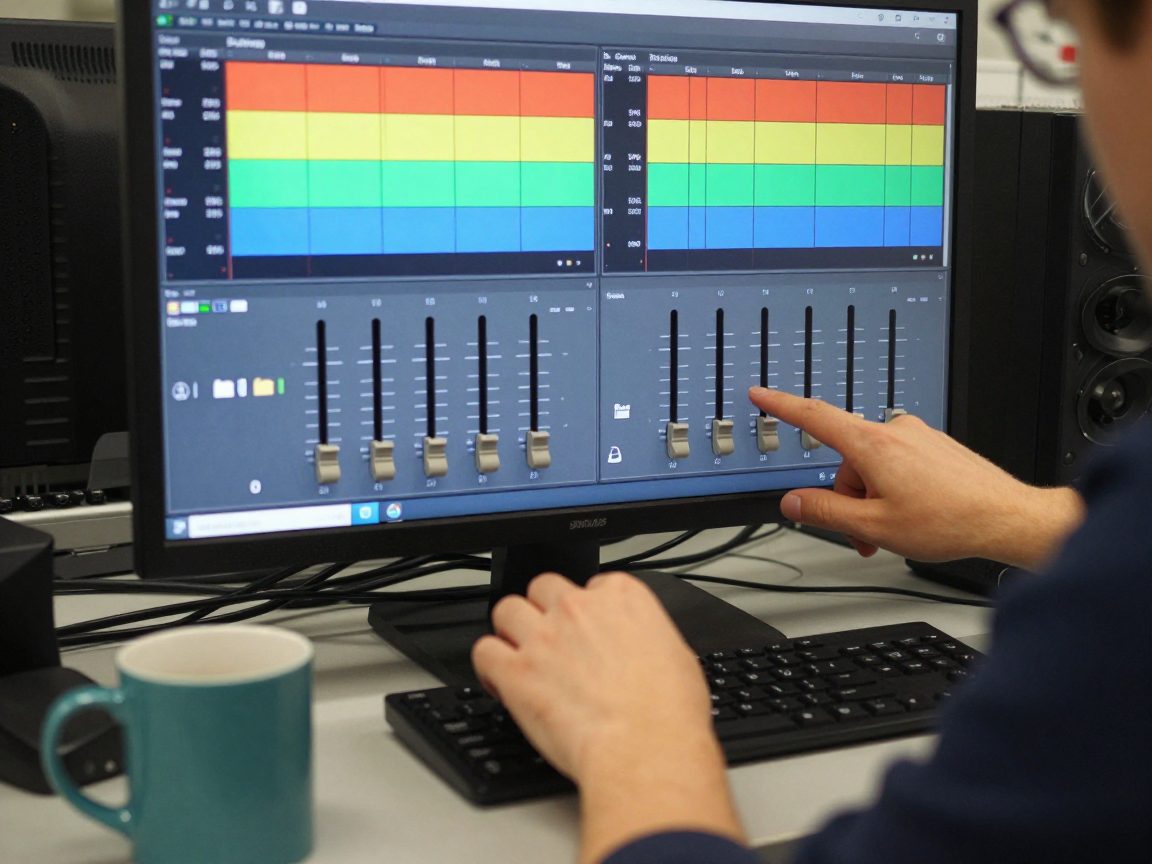
Mixing can happen on site at €88 per hour in the studio, or offline at per-track rate. Offline saves travel from elsewhere in the Netherlands; in-studio helps when you want real-time listening in our control room. Both paths need the same headroom discipline.
We typically plan 2 revision rounds for mix under general project terms; extra rounds are agreed separately. Streaming release deadline? Book mastering well before upload — see master delivery formats.
Common home-DAW mistakes
Double export after «normalize all» — that pushes everything to 0 dBFS. Forgetting leading silence so edits slip. Stereo stems with hard-panned guitars that phase-weaken in mono. MIDI without bounce: we mix audio, not project files unless agreed.
Plugin glitches on offline bounce: check on headphones before upload. If you tracked in our 3 rooms, ask for raw multitrack export when you are unsure which take is final.
Delivery and next steps
Send stems, tempo, key and reference tracks (links, not copyrighted files you cannot use). Say if you want vocal tuning or a natural take. VAT on services follows 21% as listed; business clients: payment term 14 days where applicable.
Contact for EP quotes or hourly mix. Combine with live recording if you want to re-track with better gain — read amp gain live. Rights and privacy: privacy policy.