Where gain fits in the live workflow
Live band recording at Misfiredexa starts at €125 per hour with engineer, or €920 for a full day. Drums, bass, guitars and keys share one room; we have space for cab mics and re-amping. Gain staging means a healthy signal at the preamp without the amp itself clipping or sitting too quietly for the tone you want.
We aim for converter headroom, not «as loud as possible in the room». That keeps editing and compression simpler later and matches how Joris Meijer approaches mixing if you book that next.
Cab and amp: placement and volume
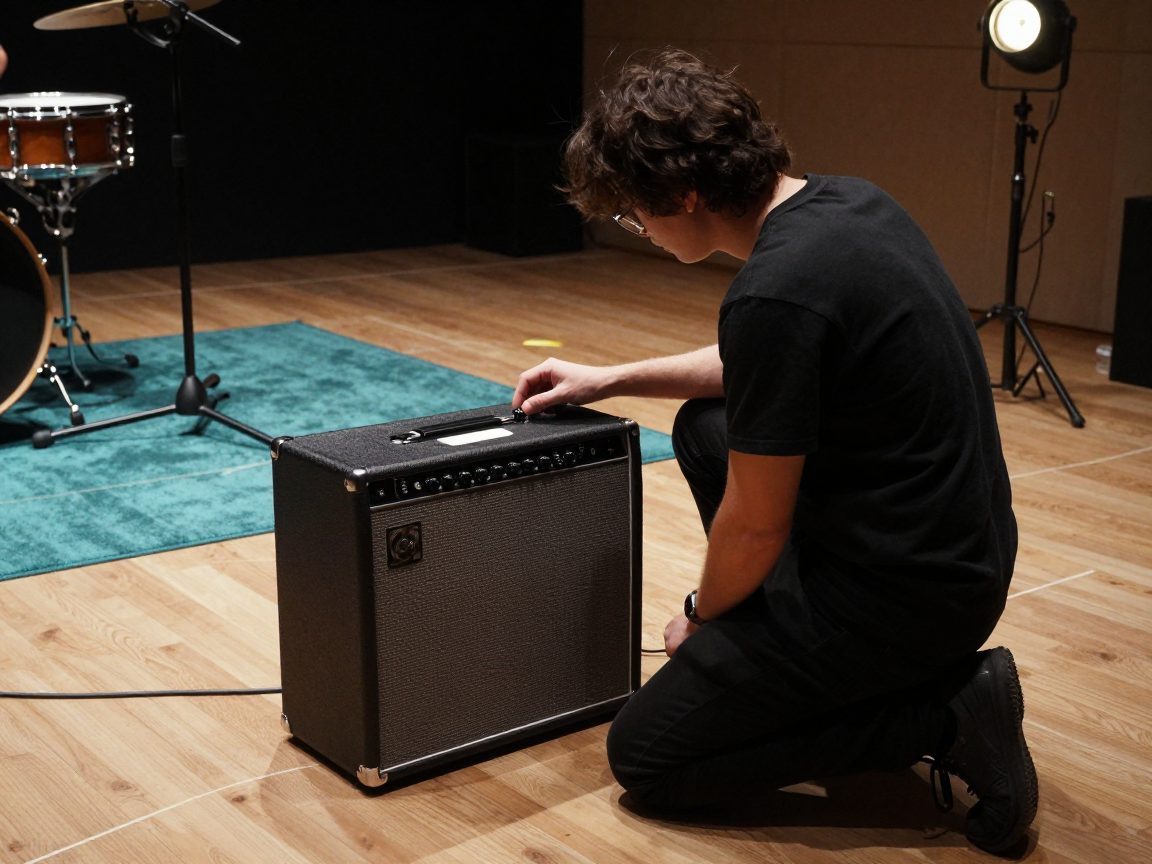
Place the cab on the floor marks in the live room, angled for the balance you want between direct tone and room. Set amp gain for your playing dynamics: chorus louder than verse without fizz that only shows on tape. Let us run a short check while you play at gig intensity, not while tuning silently.
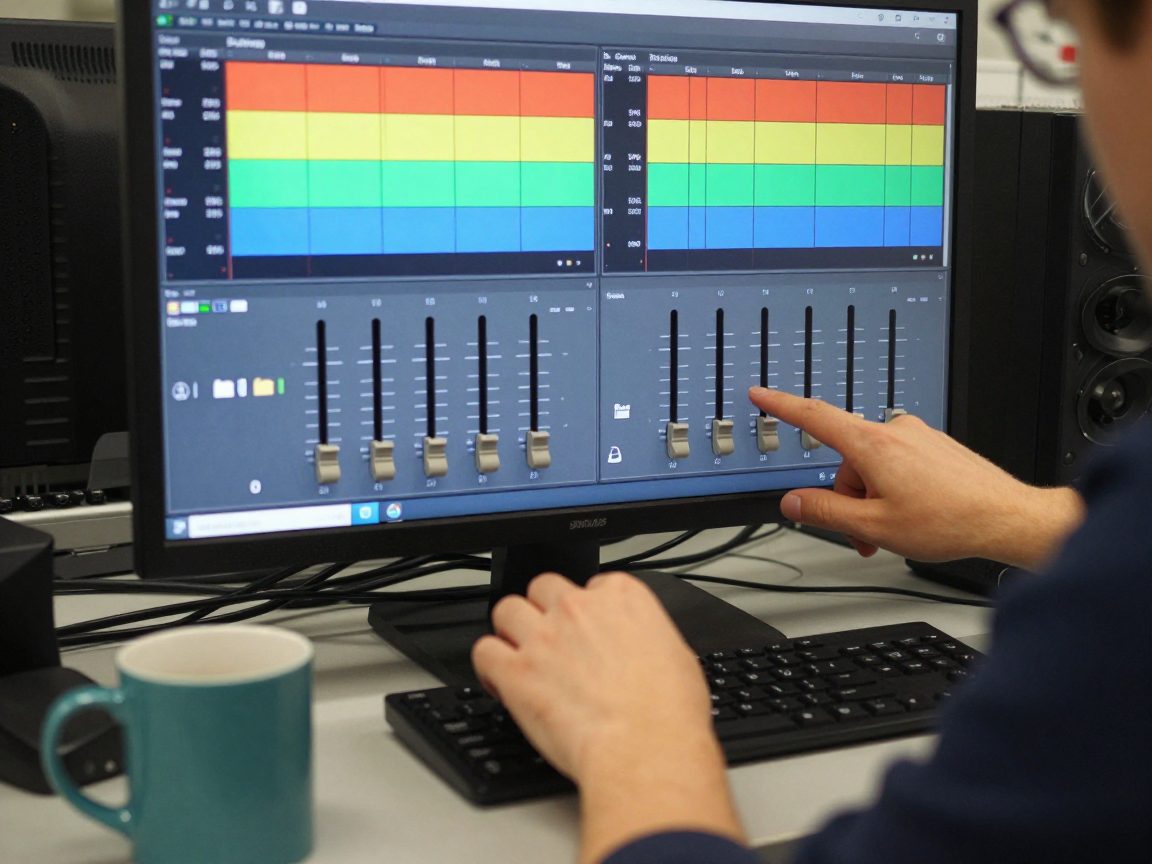
If the amp is too quiet you tend to play harder and bleed into drum mics. Too loud often forces mic distance back and loses detail. We have 20 desk inputs; routing stays tidy when every source hits a stable level.
Cab mics: classic dynamic and alternatives
A dynamic on cone edge or slightly off-axis catches mid and attack; a second mic farther out can add body if phase is checked later. We discuss tone upfront — British crunch versus clean edge — and pick from 19 mics in stock.
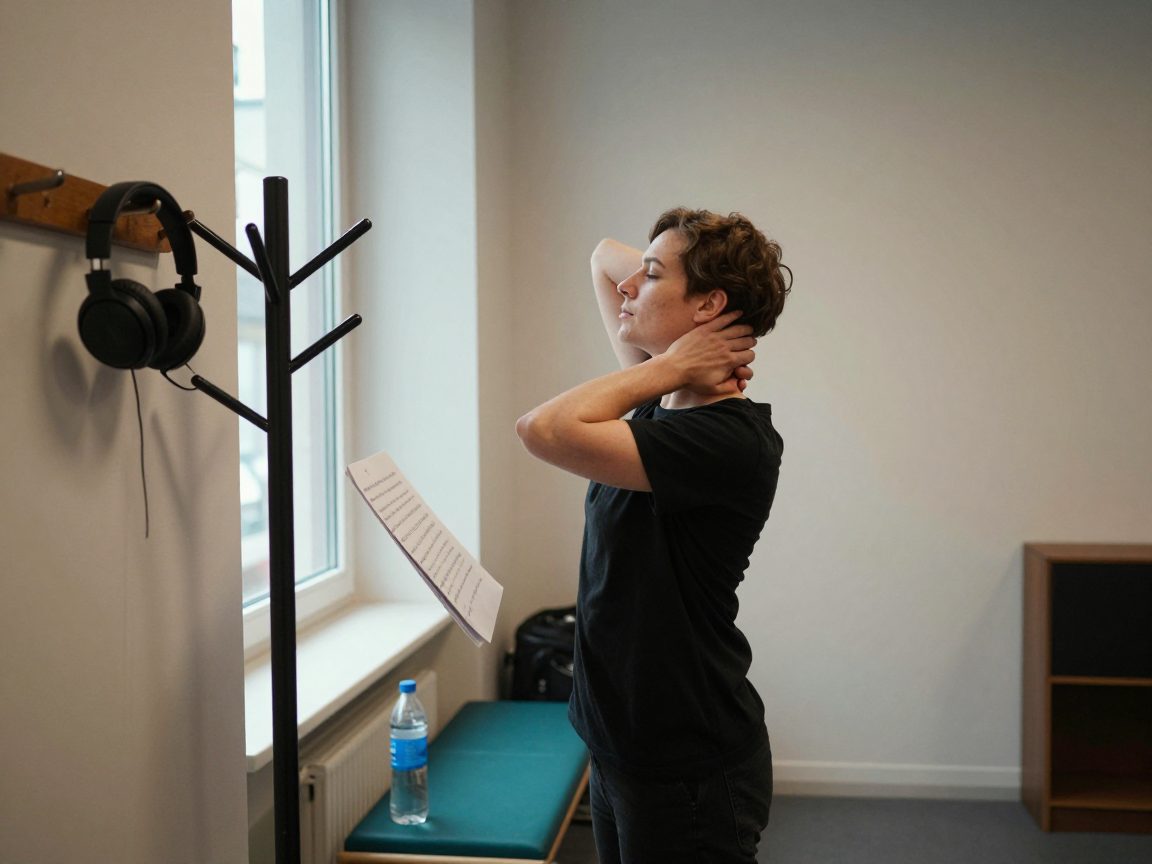
Avoid «fix it in the mix» with extreme amp distortion; re-amp helps but eats session time. A take with controlled saturation beats rebuilding repeatedly. See vocal warm-up if you plan booth vocals the same day.
DI alongside the amp: when and how
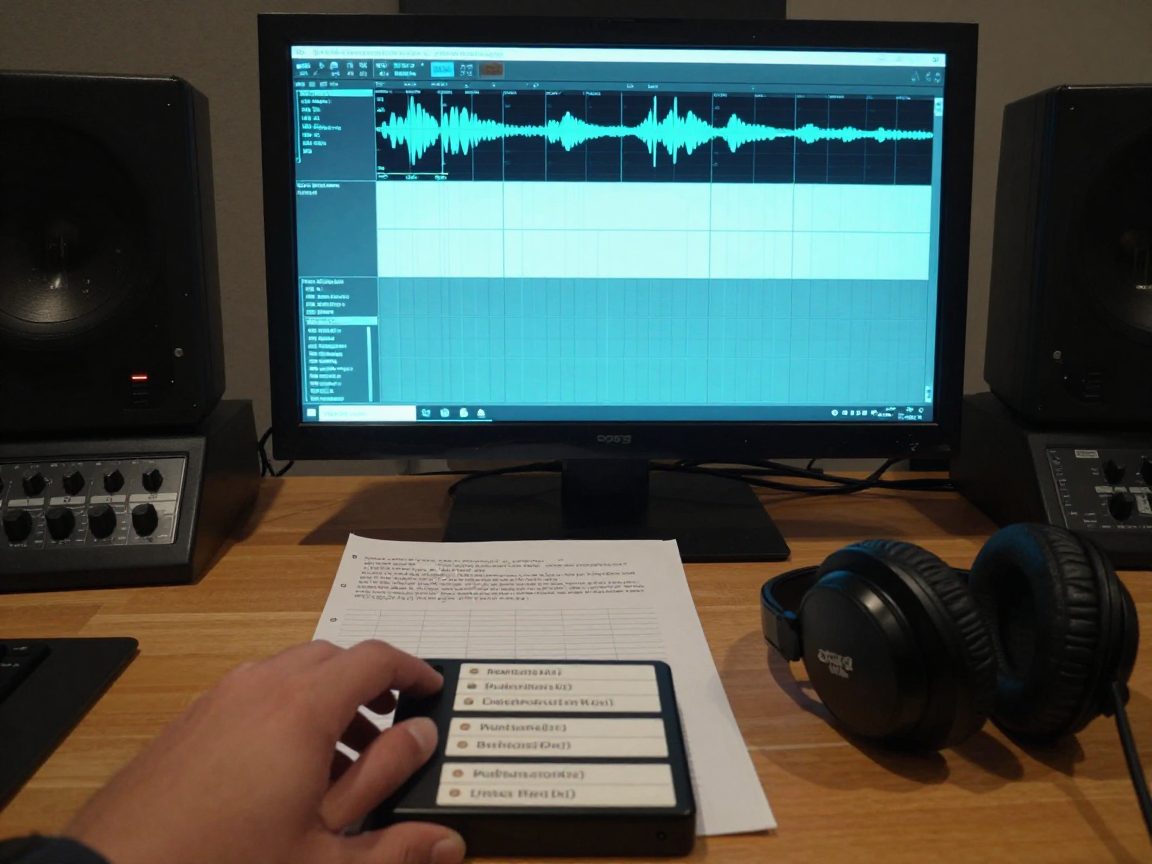
A clean DI parallel to the cab keeps re-amp options without another setup. Play with the same articulation as for the mic; palm mutes and pick dynamics must match. DI level around −18 dBFS average on the meter is a workable start; peaks can be higher if short.
For bass we often blend amp and DI; amp gain shapes harmonics, desk fader shapes the mix. Confirm pedal order before rolling; swapping mid-session changes impedance and can shift gain.
Bleed, spill and headphones
Live means bleed: snare in guitar mic, guitar in overheads. We use gobos and monitor levels so you hear each other without cranking the amp. Drummers: sticks versus brushes changes how much guitar sits in overheads — say which you use.
Everyone gets a cue mix; loud phones make you play softer into the amp. The engineer listens in control room and in the room — a quick «guitar only» loop verifies gain before full-band passes.
Desk levels and safety margins
| Source | Target | Note |
|---|---|---|
| Guitar cab mic | Peaks below clip, body audible | Amp gain first, preamp second |
| Guitar/bass DI | Well below 0 dBFS digital | Keep re-amp headroom |
| Drum overheads | Balanced kit, no single cymbal clip | Guitar gain affects bleed |
We note amp settings and mic positions on the board or in session notes so pass two matches tone. When in doubt we redo a silent line check — cheaper than replaying a €920 day.
Practical checklist for bands
- Strings, tubes and power checked before load-in.
- Amp gain set at playing level, not silent tuning.
- DI cable and ground discussed if hum appears.
- Soundcheck at full dynamics, including chorus.
- Time reserved for re-amp as plan B — space is available.
Book via contact or 020 261 8473; cancel free up to 4 days ahead. File delivery and archive questions live in FAQ and terms. After tracking, align stems or mix with mixing and optional mastering for release.